Mary, an 88-year-old grandmother, suffered a stroke that affected the right side of her body, movement, and speech. Similarly, another patient had a total knee replacement or orthopedic surgery. Likewise, many people are experiencing life-threatening illnesses such as diabetes, stroke, cancer, hip septic arthritis, thigh abscess, fractured vertebra, neurological/stroke, and other acute health issues. Patients in critical condition require professional healthcare assistance and palliative care. It is estimated that globally, around 2.4 billion people currently face severe health conditions and need rehabilitation services to gain speedy recovery and overall well-being. However, it is observed that healthcare services in several countries, particularly low- and middle-income countries, are unsatisfactory. More than 50% of people do not receive the rehabilitation services except for rehabilitation care and aid recovery provided to affected individuals and communities suffering from conflicts, disasters, and outbreaks. The other recuperation is accessing emergency services for accidents or severe complications from chronic conditions.
Rehabilitation services hire professionally trained practitioners who work individually or integrated care team that offer medical support to people recovering from chronic disease and disability, boost their morale, and optimize their well-being. Rehabilitation individualized care is tailored to the patient’s specific personal requirements and preferences. For instance, some require inpatient or certified outpatient rehabilitation facilities (CORF) and home health services.
What Is a CORF?
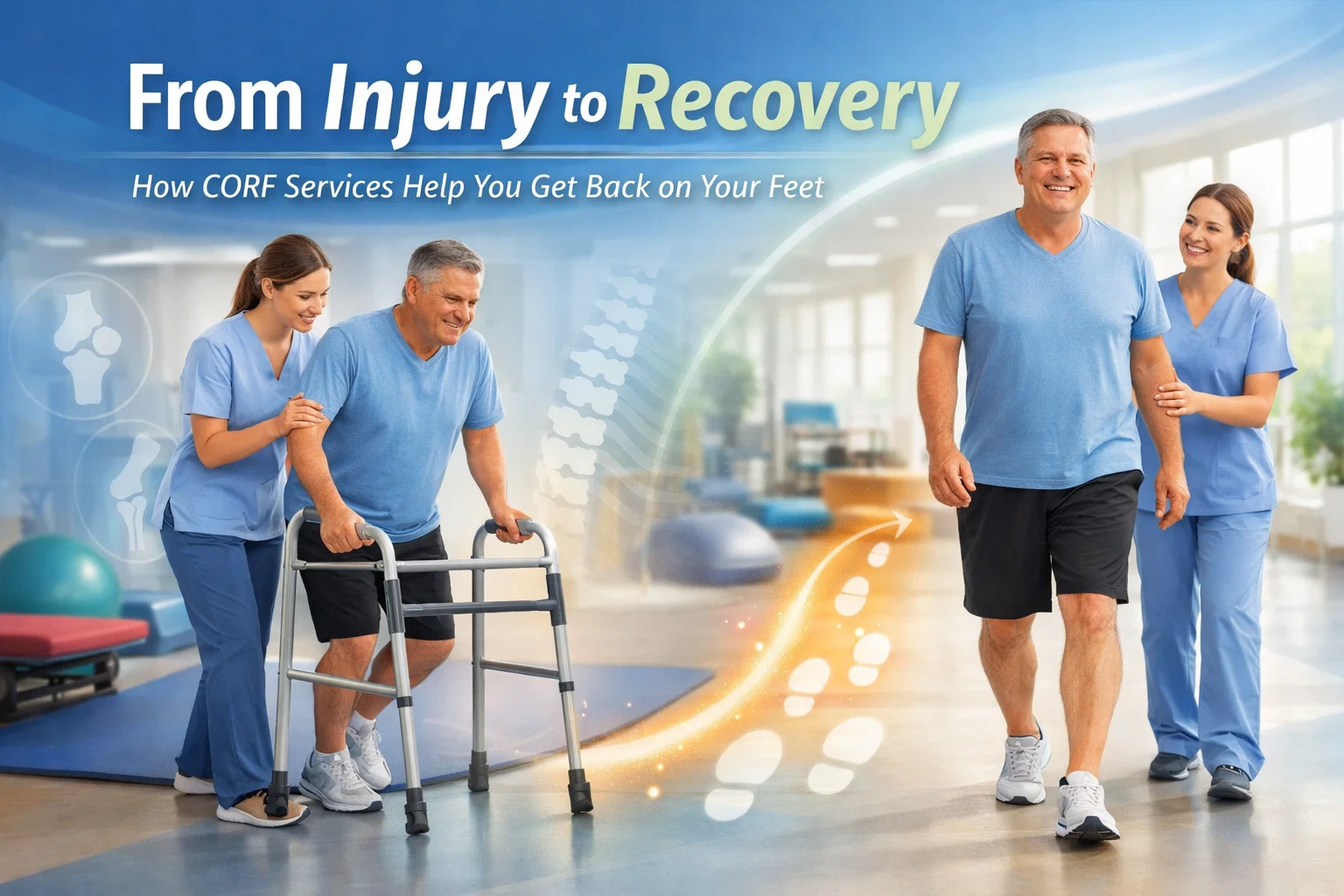
Certified Outpatient Rehabilitation Facility (CORF) includes a comprehensive therapy, diagnostic, and treatment plan that is managed and reviewed by the medical director, physical therapy service, nonphysician staff, and consultation with patients and their families. Patient-centered care services involve competent and experienced multidisciplinary teams such as physical therapists, occupational therapists, social workers, case managers, RNs, and other nurses. Rehab psychologists who provide consistent outpatient diagnostic, physical, and occupational therapy, speech-language pathology, and outpatient medical services at a specific location.
Physical and Occupational Therapy
An interprofessional health team includes licensed therapists who examine the patient’s medical history, diagnosis, and rehabilitation goals. An occupational therapist helps patients improve their cognitive and sensory skills to perform their daily tasks, including eating, drinking, grooming, and dressing, as well as other self-care activities. The therapy offers flexibility for patients to schedule physical and occupational therapy sessions at their convenience in rehab and recovery centres or at home.
Speech-Language Pathology
Corf services involve diagnosing and treating speech and communication disorders and swallowing impairments. The speech and language pathologists help out patients with issues such as speech clarity, language comprehension, voice quality, stuttering, and swallowing difficulties. Client-centered practice allows therapists to implement personalized treatment plans that include exercises, using different communication methods, devices, and aids to enhance memory skills and problem-solving ability, affected by stroke or brain injury, and neurological diseases.
Medical Social Services
A certified outpatient rehabilitation facility assesses social and emotional factors related to the patient’s illness. Physical therapists, audiologists, clinical psychologists, rehabilitation doctors, and nurses provide a 24/7specialized rehabilitation program designed for pain management and to overcome mental and emotional wellness. Medical social services include counselling and therapy sessions that assess the patient’s social environment and emotional issues, and also initiate a comprehensive remedial procedure. Custom recovery plans involve person-centered care, allowing people to interact with community support groups and other social groups. Companionship and community emotional supports provide a holistic approach to self-care, rebuild self-esteem, and enhance the quality of life of individuals with a depressive disorder.
Physician Supervision
Physician Supervision for CORF Services includes professional supervision and consultation of patients with physicians, occupational therapists, and speech pathologists. The physician creates a plan of care (POC) that includes patient care policy. The treatment plan follows physical therapy and social or psychological services. The plan of care is reviewed every 90 days by a professional group of physicians to deliver premium accredited outpatient rehab facilitation to the affected patients.
Outpatient Medical Management
Providing the highest standard of outpatient recovery and rehab care services implies caretaker services to initiate an inclusive, outpatient medical management program that allows health professionals to work in collaboration. An individualized plan allows multidisciplinary teams such as physiotherapists, occupational therapists, and kinesiologists to help each client with rehabilitation goals. A structured goal setting of outpatient medical management after assessing the specific needs of the client, devises intensive therapy. Self-management strategies initiated by health experts aim at reducing impairments and increasing the physical capacity of the patients.
Respiratory Therapy
Pulmonary therapy services help patients with cardiopulmonary issues, including chronic lung diseases. Pulmonary rehabilitation plan allows physicians to examine the patient’s cardiopulmonary function and monitor their condition. Based on the specific individual’s needs and symptoms, the therapist applies rehabilitation techniques such as oxygenation support, gas therapy, and bronchial hygiene. Pulmonary exercises and training help patients increase respiratory function and boost their physical and psychological health.
What Is Home Health Care?
If you are looking for skilled nursing care at home to let patients recover, gain strength, balance, and motivation to execute their daily routine tasks. In such a case, you may consult home health agency representatives who have established relationships with hospitals, health centers, skilled nurses, health care professionals, and therapists. Assessing the patient’s health condition, such as their ability to travel to the facility, allows health care agencies to provide top-tier in-home health services in a familiar environment. A multidisciplinary care team comprising a general practitioner, nurses, community pharmacists, a psychologist, and an occupational therapist initiates treatment, diagnostic, and recovery plans based on the individual’s needs. Home healthcare solutions reduce hospitalization costs and burden and offer superior in-home care facilitation.
In-Home Health Services Cover
Skilled Nursing
Expert nursing care in a home setting is executed by registered nurses and other qualified medical professionals who have previous nursing training and experience in handling patients with complicated and chronic diseases such as diabetes, heart disease, cancer, dementia, Alzheimer’s stroke, and traumatic brain injuries. Professional nurses develop a comprehensive assessment and monitoring plan to regularly monitor patients’ symptoms to detect complications and make necessary adjustments in treatment and diagnostic plan to manage complex health conditions. The nurses serving as case managers offer24/7 medical assistance to the patients. The specific medical services include medical procedures of wound care, injections, managing IVs, and pain management. Physical, occupational therapy, and personalized care therapies include counselling sessions with the patient that help boost self-care and enhance emotional and psychosocial support.
Physical Therapy
The patients who require short-term skilled care at home or who are suffering from chronic conditions and lack mobility to visit a nearby physical therapy clinic opt for physical therapy in a home setting. The therapist directly communicates with the patient and helps create a personalized treatment plan. Individualized care plans are tailored to the specific individual patient’s needs, symptoms, and health conditions. Physical therapy, comprising occupational and speech, and language therapy, helps patients gain strength and develop specific skills to practice daily activities. A natural home environment with quality home health services leads to effective and satisfactory health outcomes.
Medication Management
Homebound patients with critical illness or injury require in-home medical management. The registered nurses, physical therapists, and occupational therapists help patients to improve physical and cognitive skills to perform daily activities such as feeding, dressing, and bathing, and help them relearn other physical tasks. Moreover, experienced and trained nurses help patients to recover from post-hospitalization treatment. It includes managing complex medical procedures such as post-surgical wound care, pressure sores, and implementing precautionary measures to reduce future complications. Additionally, the therapist helps patients adapt self-management strategies to improve patient engagement. Counselling and therapy session provides emotional support, help people manage chronic conditions, and boost their overall health and well-being.
Medical Social Services
Patient-centered in-home care provides a complete guide for health providers to adopt a comprehensive approach to patient care. Skilled therapeutic care addresses both the medical and social needs of the patient, including physical therapy, occupational therapy, speech communication pathology, and home health aide services delivered within the home environment. Health professionals help patients know about home health care benefits and create a unique treatment plan that focuses on individual needs and disease symptoms. Along with physical and occupational therapy, CORF settings lead to better physical function, assisting patients and their families to cope with emotional and social well-being.
Key Differences Between CORF and Home Health
Location of Services
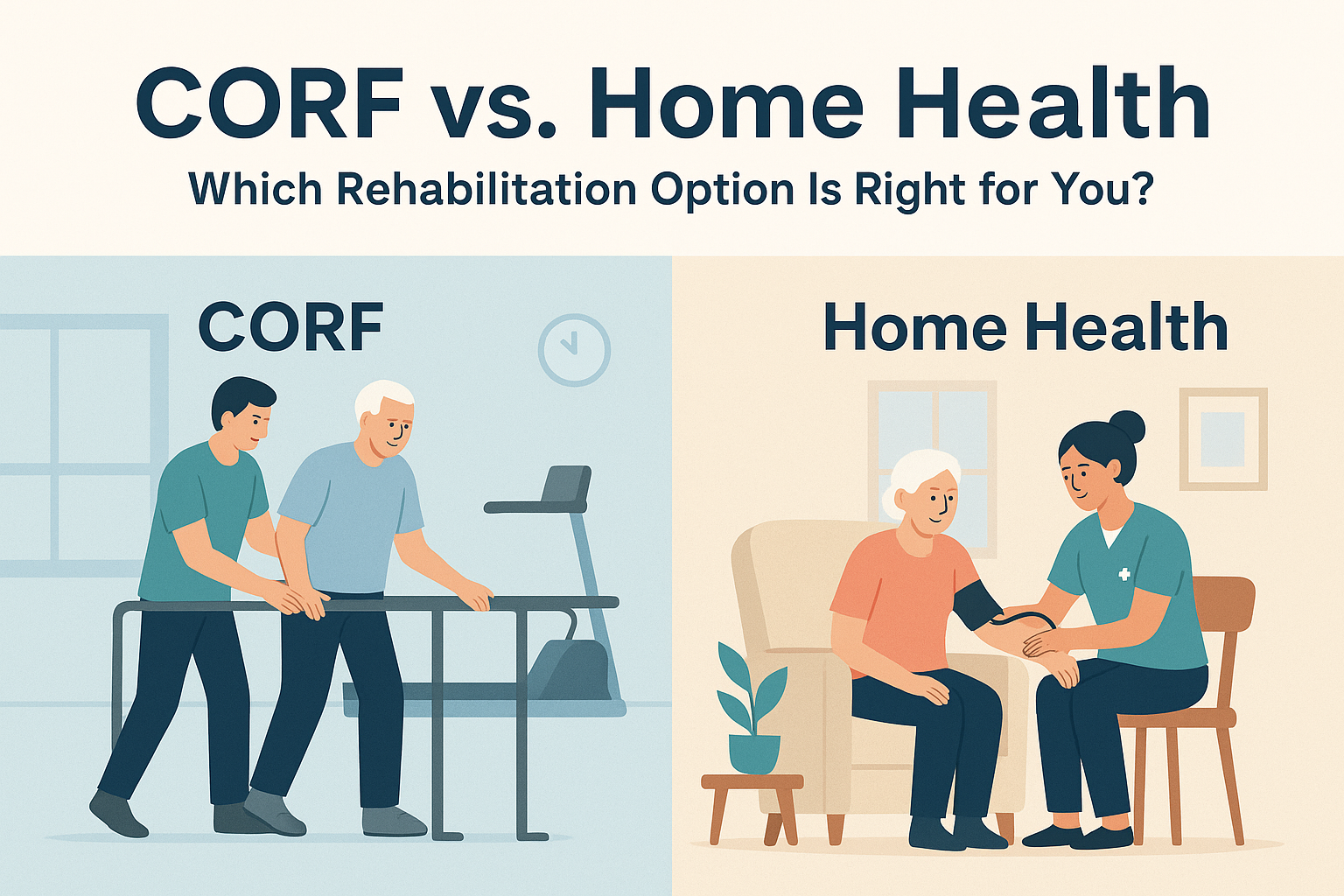
According to Medicare guidelines, the highest quality of home health services is provided to individuals with limited mobility or chronic conditions right in their homes. A variety of tailored care services, including physical therapy, occupational therapy, and speech-language pathology, are offered by visiting health professionals and therapists in the patient’s residence.
In contrast, CORF services provide facility-based diagnostic, therapeutic, and restorative care from qualified and certified outpatient facilities. Multidisciplinary teams of physicians and therapists deliver these services.
Level of Supervision
The management of a certified outpatient rehabilitation facility involves multidisciplinary teams that encompass various specializations, such as physical therapy, occupational therapy, and speech-language pathology. Qualified physicians oversee health professionals who work together to create a treatment plan. They evaluate the patient’s condition and symptoms regularly while tracking health improvements. These diverse teams develop a cohesive approach to establish a tailored rehabilitation program, which can begin either before or after treatment. The recovery strategy includes both diagnostic and therapeutic services. Restorative services help patients connect with social and community resources, enhancing their cognitive and physical abilities.
Conversely, home health care services are overseen by a home health care agency, which manages a comprehensive care plan by appointing skilled professionals to provide top-quality home nursing and healthcare services.
Scope of Services
A detailed outpatient rehabilitation center plans to offer medical assistance to patients who are progressing well in their recovery and require minimal oversight. A range of health services, including diagnostic, therapeutic, and rehabilitation therapies, support individuals in recovering from strokes, orthopedic surgeries, diabetes, heart conditions, and neurological issues.
The primary objective of home health services is to deliver skilled medical attention and therapy to individuals with limited mobility or those confined to home due to serious illness or injury. Specialized medical teams certified in nursing, chronic disease management, and therapy develop a care plan that prioritizes expert nursing care, along with providing physical therapy, occupational therapy, and speech-language pathology. In addition, physicians evaluate the patient’s current condition and assist the individual to regain their health and independence within a familiar home environment.
Intensity of Rehabilitation
Rehabilitation provided by CORF services is highly focused and intensified as compared to home health services. A structured, facility-based, and higher frequency skilled therapy sessions are conducted on per per-hourly or per-weekly basis, depending on the patient’s symptoms and health status. On the other hand, home health services are provided within the patient’s residence with limited specialized resources and experienced physicians, therapists, and nurses. A personalized treatment plan involves less intensive and shorter-duration therapy sessions compared to facility-based rehab. The key purpose is to provide personalized, expert healthcare services in a home setting.
Social Interaction and Equipment
Social and psychological services form a significant part of CORF health services. A multidisciplinary team, including physicians, physical therapists, occupational therapists, speech therapists, and nurses, works together to drive a patient’s rehabilitation plan. A specialized medical team allows patients to interact with different social groups and share their experiences with their peers. Emotional support and a stress-free environment lead to a faster recovery. Additionally, the use of specialized rehabilitation equipment, exercise tools, and a variety of therapeutic activities ensures quality patient-centered care in a healthcare facility.
In contrast, home health services involve a professional team of doctors, therapists, and nurses visiting patients in their homes to assess their health. They provide physical therapy, occupational therapy, and respiratory therapy using treatment and rehabilitation equipment such as exercise machines, barres, and respiratory therapy machines. In terms of social and psychological services, medical professionals organize consultations with patients and their families and encourage patients to participate in conversations, games, and other social activities that facilitate the healing process. Emotional support in family and social interactions improves quality of life and allows patients to regain strength and perform daily tasks independently.
How Medicare and Insurance Coverage Compare
CORF services are covered by Medicare for outpatient services. It includes physical, occupational, speech, and respiratory therapy, along with social/psychological services and nursing care supervised by a registered health care professional. Medicare Part A/B coverage for home health involves part-time skilled nursing care and other health care services, including physical, occupational, and speech therapy. Medical and insurance coverage is provided under specific conditions as approved by a certified physician.
Choosing the Right Option: Key Factors to Consider
Mobility and Transportation
To avail a premier certified outpatient rehabilitation facility implies you choosing a health care setting that is conveniently located near their residence. It is significant for those patients who are suffering from chronic conditions and require rigorous health care services. It includes routine visits and therapy sessions that are conducted hourly, on weekends, or on holidays. For an appointment in advance, the patient and family members have to wait for hours, which causes inconvenience to patients with acute illness. Therefore, it is preferable to select health centers with convenient locations in neighborhoods and have minimal wait times. They provide quick and efficient in-person appointments and a range of services, including diagnostic, treatment, and recovery plans, and different therapies.
Rehabilitation Intensity Needed
When selecting a long-term provider or facility, such as a hospital or primary care center, consider the patient’s health condition and the range of health services available at the health center. The health professionals are dedicated to providing superior patient care services, including preventive care to diagnostics, and therapeutic services. Moreover, outpatient facilities provide highly coordinated, multi-disciplinary care, along with utilizing the latest health technology, procedures, and medical devices. A multidisciplinary outpatient facility leads to prompt, accessible intensive rehabilitation, helping patients regain functional abilities and better health outcomes.
Home Environment
Home-based care is a preferable option for homebound, low-mobility patients and others suffering from chronic illness. Advanced medical care delivered at home offers comfort and convenience to patients, reducing hospital visits, lowering infection risks, and providing diagnostic support to deal with chronic conditions, post-surgical recovery, and using therapy exercises to improve physical and cognitive skills to perform daily activities easily. Thus, home health services ensure providing exceptional, less expensive, and more convenient home care services.
Physician Recommendations
Before selecting a physician or health expert, you are required to conduct extensive research about the health practitioner’s education, qualifications, and work experience. It implies creating a list of potential health providers who offer the services you require. Through online searches from health professionals’ websites, local community directories, and reading online reviews and ratings help you find competent physicians and specialists available in your locality. Moreover, recommendations from friends or family further assist you in getting connected with qualified and registered practitioners who are committed to delivering the highest standards of health care to people.
If a health expert’s services, experience, and approach to patient care align with your healthcare needs and goals, you can find more relevant information regarding their credibility in the health industry. Thus, self-assessment guides you to make a strategic choice to select professional and skilled physicians and specialists who aim to provide comprehensive healthcare and management services.
Insurance and Cost Considerations
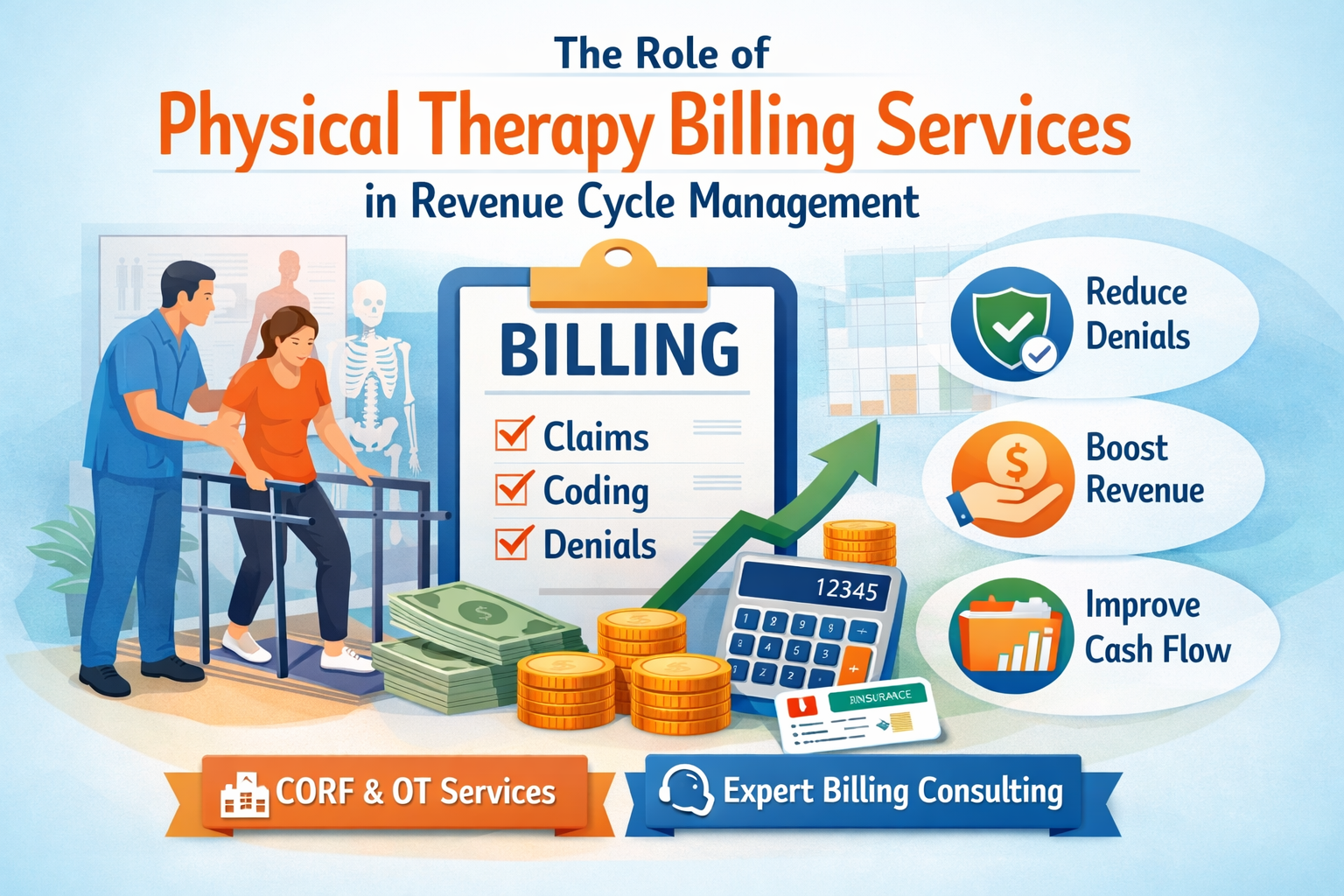
If you choose an outpatient rehabilitation or home-based service, you must understand medical and insurance coverage. You may consult physical therapy billing services that handle coding and documentation to help patients receive reimbursement from insurance providers. They also inform you about copayments, coverage limits, and out-of-pocket maximums to help prevent high medical expenses. Corf services and health professionals must follow the rules and guidelines set by different insurance payers, such as Medicare, Medicaid, and private insurance companies.
If you choose a Corf health facility, check which insurance company provides your health insurance. Medicare Part B covers a physician-supervised treatment plan, physical therapy, and social or psychological services. For home-based services, Medicare Home Health Care covers skilled nursing and therapy services provided by certified professionals. Those without insurance should check if the chosen health care center fits their budget. Another option is to consult a cost-effective insurance provider or a Medicare representative to manage billing and healthcare expenses.
Recap
Let’s suppose an elderly female experienced Rheumatoid Arthritis, or a male patient had a C-Spine fracture, or another patient lacks cognitive skills and physical mobility due to stroke and other brain injury. Depending upon the patient’s condition and symptoms, the family members may opt for comprehensive Outpatient Rehabilitation Facilities (CORF) and home health care services. Before making a strategic decision to choose the right health services, people should consult their physician or rehabilitation specialist, who informs them about the significance of Core Corf services and how patients benefit from a structured, supervised treatment program. Similarly, if people choose home-based care services, the specialist provides comprehensive knowledge about the physician’s plan of care and assists in conducting extensive research to find a proficient and experienced health professional.
So, if you have decided to avail comprehensive, multidisciplinary therapy, you must know that Corf health services is a nonresidential facility that provides a wide range of facilitation, such as diagnostic, therapeutic, and restorative rehabilitation services to outpatients. They are overseen by teams of various specialists that include a physician, physical therapist, occupational therapist, and speech and language pathologist. They collaborate and develop treatment plans and recovery programs tailored to the patient’s health status. In a comprehensive rehabilitation program, the therapist utilizes occupational therapy, speech therapy, therapeutic exercises, and specialized tools that enhance physical function and mobility following an injury, illness, or surgery. CORF services assist patients who need rapid recovery through frequent therapy sessions and organized diagnostic support. Robust medical oversight and supervision guarantee top-quality and targeted care for patients.
To have convenient and comfortable access to health services at your doorstep implies that you choose home health care services. Health care agencies evaluate patients’ health and offer expert medical assistance to individuals in their homes. They designate skilled and trained health professionals, therapists, and nurses who deliver personalized, individualized care services. The therapist and doctors provide comprehensive health services that encompass physical therapy, occupational therapy, and speech pathology. Furthermore, skilled nurses assist patients in healing, enhancing their emotional health and well-being. Some patients also opt to use both health services, such as transitioning from home health to CORF, to receive specialized and professional outpatient rehabilitation care services.