Introduction
Running a physical therapy clinic is more than just treating patients—it’s also about ensuring that every claim is accurate, every note is properly documented, and every patient’s data is secure. If you’ve ever handled billing for physical therapy clinics, you know it can be tricky. Mistakes in billing or documentation aren’t just annoying—they can lead to denied claims, audits, or even legal penalties.
HIPAA compliance is a critical part of this puzzle. It protects patient privacy while ensuring that your clinic stays on the right side of the law. From safeguarding electronic records to keeping paper charts secure, HIPAA impacts every step of your workflow.
In today’s fast-paced healthcare environment, proper billing and documentation are not optional—they’re essential. Non-compliance can result in costly audits, delayed reimbursements, and damaged reputations. For instance, even a small error like a missing signature on a treatment plan can trigger a denied claim from an insurance provider.
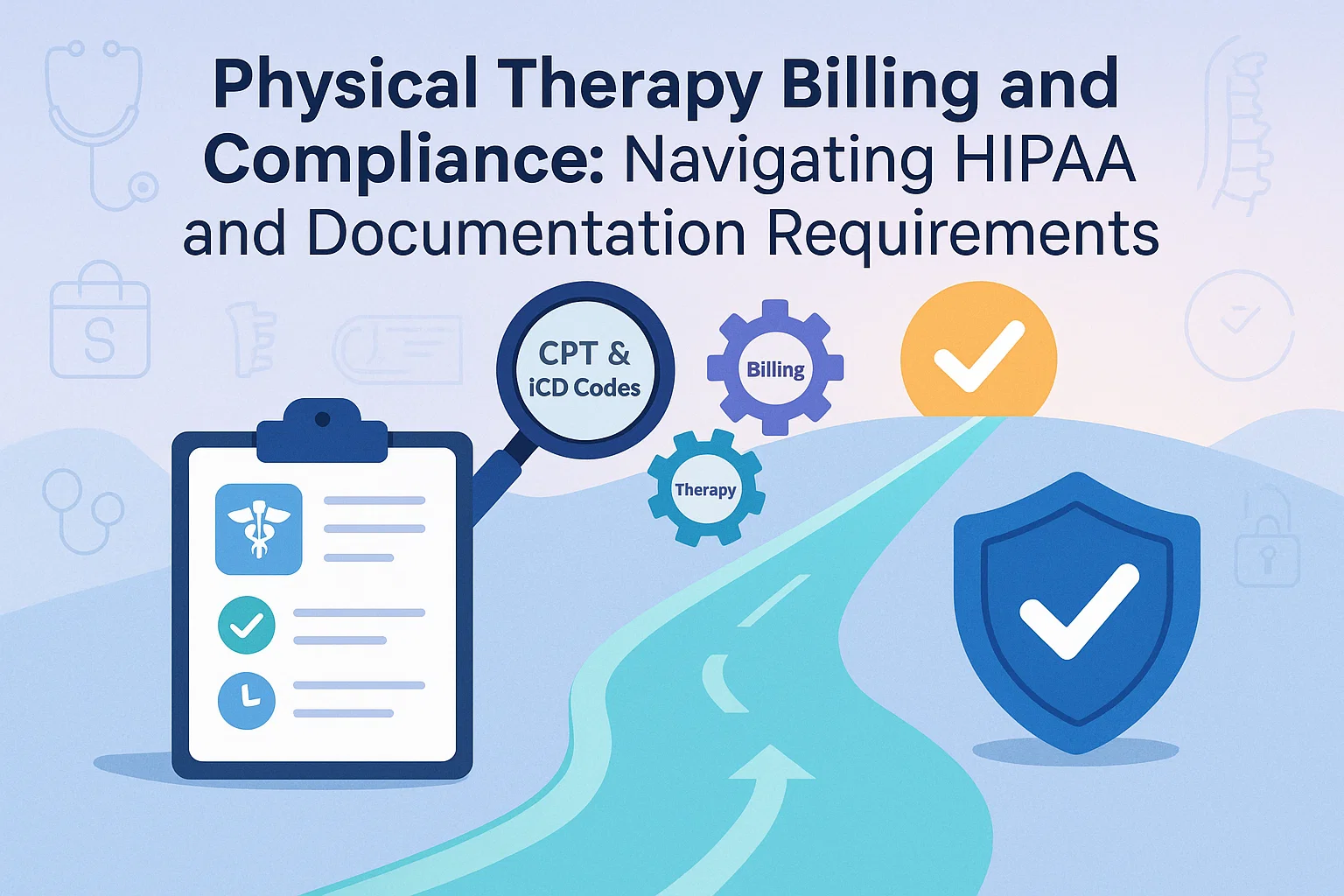
This blog will guide you through the essentials of physical therapy billing services, HIPAA requirements, and proper documentation practices. We’ll also explore best practices for audit readiness, daily compliance integration, and upcoming trends in 2025. By the end, you’ll have a clear roadmap to streamline billing, protect patient information, and keep your clinic running smoothly.
Overview of Physical Therapy Billing
Billing for physical therapy services is a detailed process that requires accuracy, knowledge of CPT codes, and an understanding of insurance protocols. At its core, billing ensures that clinics are properly reimbursed for the care they provide.
How Billing Works
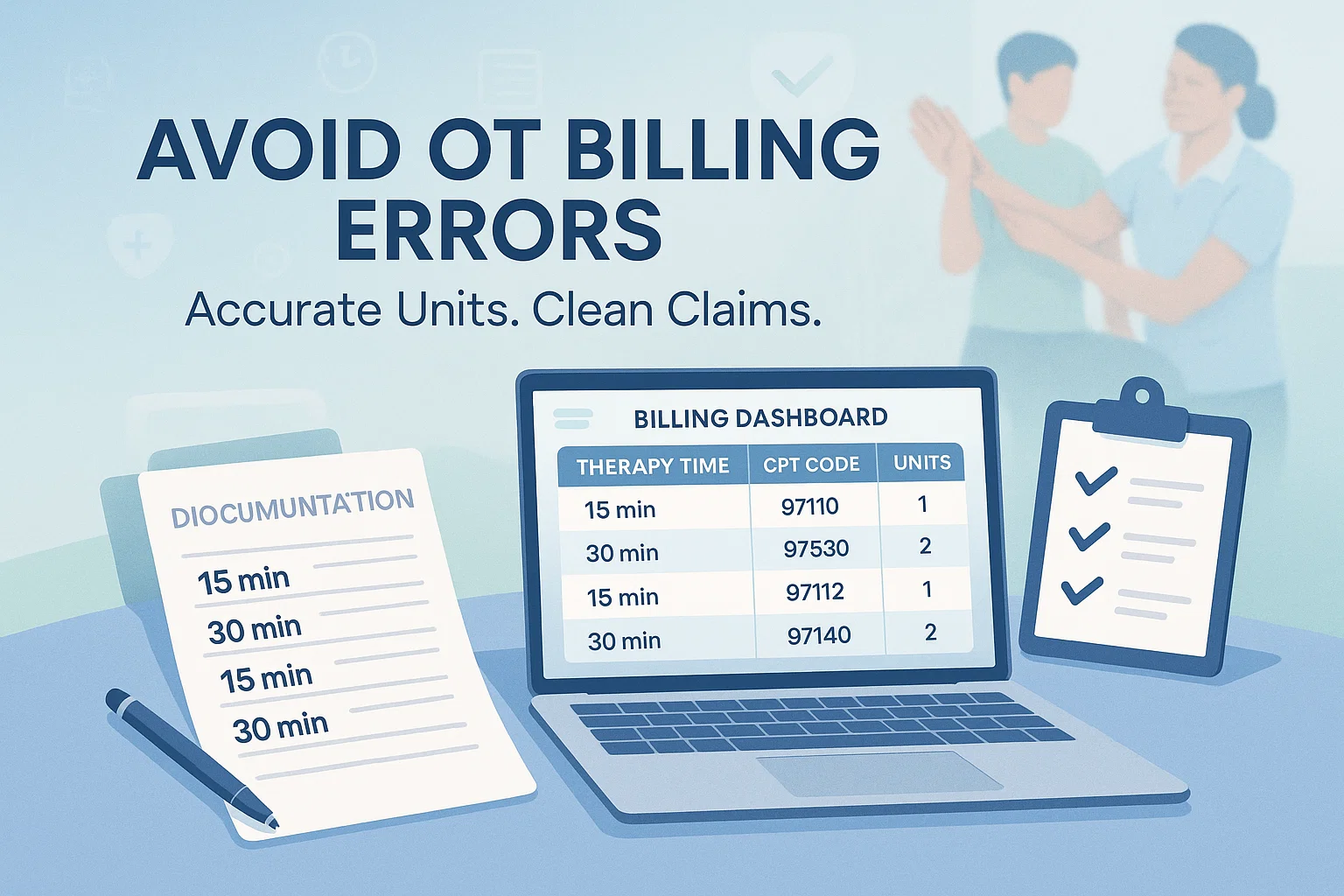
The process typically starts with documentation of the patient’s evaluation and treatment. Each session is coded using CPT codes, which represent the specific services delivered. Common physical therapy CPT codes include:
- 97110: Therapeutic exercises
- 97112: Neuromuscular re-education
- 97530: Therapeutic activities
Once the services are coded, claims are submitted to the payer—whether that’s Medicare, Medicaid, or private insurance. Each payer has its own rules for billing, making it essential to understand the differences. For example, Medicare may require additional modifiers for certain visits, while private insurers might need prior authorization.
Here’s a simple example of a claim process: A patient comes in for a 30-minute therapy session. The therapist documents the treatment plan and notes the specific exercises performed. Using the proper CPT codes, the clinic submits a claim to the insurance company. If all documentation matches the billing information, reimbursement is processed quickly. If not, the claim may be denied.
Proper billing isn’t just about money—it’s also about compliance. Accurate billing protects your clinic from audits and ensures you meet the requirements of HIPAA and other regulatory standards. Partnering with Expert PT Billing Consultants can help streamline this process, minimize errors, and maximize revenue.
Understanding HIPAA in Physical Therapy
HIPAA, or the Health Insurance Portability and Accountability Act, is designed to protect patient health information. In physical therapy clinics, HIPAA compliance is especially important because therapists handle sensitive medical records, treatment plans, and billing information.
HIPAA Basics
HIPAA has three main rules relevant to physical therapy:
- Privacy Rule – Protects patient health information (PHI) from unauthorized disclosure.
- Security Rule – Ensures electronic health records (EHR) are secure through encryption, passwords, and secure networks.
- Breach Notification Rule – Requires notification in the event of unauthorized access to PHI.
HIPAA in Daily Operations
Every time a patient’s information is shared with insurance providers or other healthcare professionals, HIPAA comes into play. Even physical therapy billing services must adhere to these rules when handling claims electronically. Clinics need to ensure that EHR systems are secure, that staff is trained, and that physical documents are stored safely.
Some practical tips for HIPAA compliance in PT clinics include:
- Using password-protected systems for all electronic records.
- Shredding paper records when no longer needed.
- Limiting access to patient records only to authorized staff.
- Regularly reviewing compliance protocols and updating them as regulations change.
Following these steps not only protects patients but also safeguards your clinic from audits and potential fines.
Key Documentation Requirements
Proper documentation is the backbone of compliant billing and quality patient care. Accurate notes ensure that insurance claims are approved and that the clinic maintains a strong compliance record.
Essential Components
- Initial Evaluation and Assessment – Document the patient’s medical history, current condition, and baseline function.
- Treatment Plans and Goals – Include short-term and long-term goals, frequency of therapy, and expected outcomes.
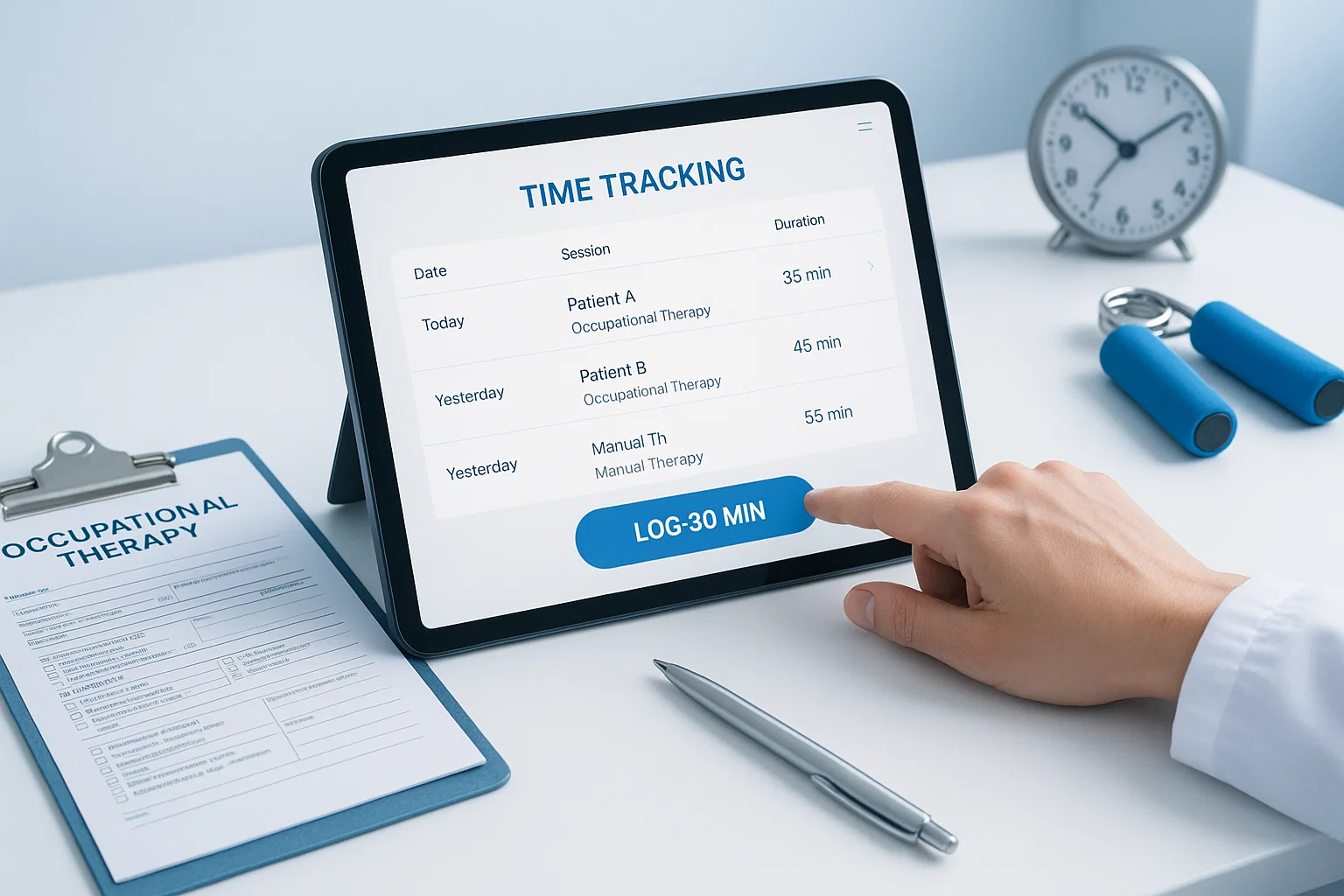
- Daily Progress Notes – Record each session’s activities, patient response, and any modifications to the treatment plan.
- Discharge Summaries – Summarize progress, final outcomes, and recommendations for follow-up care.
Proper documentation is critical for reimbursement. Claims often get denied if progress notes are vague or if treatment plans lack measurable goals.
Common Mistakes to Avoid
- Using abbreviations that are unclear to auditors.
- Failing to date and sign notes.
- Leaving gaps between sessions without explanation.
- Not linking treatment to specific CPT codes.
Implementing templates and regular staff training can help avoid these pitfalls. Clinics that prioritize thorough documentation reduce errors and increase claim approval rates.
Common Compliance Challenges
Even experienced PT clinics face compliance hurdles. Some typical challenges include:
- Incomplete or inaccurate notes – Missing details can lead to denied claims.
- Missing physician signatures – Required for certain treatment plans or referrals.
- Incorrect CPT code usage – Using the wrong code can trigger audits or delayed reimbursement.
- Non-adherence to HIPAA protocols – Unauthorized access to patient data is a serious compliance violation.
The risks associated with these mistakes are significant. Denied claims reduce revenue, and repeated non-compliance may result in fines or legal action. Addressing these challenges proactively is essential for clinic success.
Best Practices for Billing Accuracy
Accurate billing is the result of careful planning, staff training, and the use of technology. Here are practical steps for occupational therapy billing services, respiratory therapy billing services, and general PT billing:
- Regular Staff Training – Keep your team updated on CPT codes, payer requirements, and compliance rules.
- Leverage Technology – EHR systems and billing software streamline data entry and reduce human error.
- Pre-submission Audits – Check claims for accuracy before sending them to insurers.
- Partner with Expert PT Billing Consultants – These specialists ensure claims are correct and compliant, saving time and money.
Implementing these practices can lead to measurable benefits, including faster reimbursements, fewer denials, and reduced stress for staff.
Audit Preparation and Risk Mitigation
Audits can be intimidating, but preparation makes them manageable. PT clinics should:
- Maintain organized documentation and audit trails.
- Educate staff on compliance policies and procedures.
- Conduct internal reviews to identify gaps before external audits.
- Stay updated on payer requirements and adjust billing practices accordingly.
Proactive steps like these not only reduce the risk of claim denials but also demonstrate the clinic’s commitment to compliance, which can improve payer relationships.
Integrating Compliance with Daily Operations
Compliance should not be a one-time effort—it should be embedded in everyday clinic operations.
- Establish Standard Operating Procedures (SOPs) – Define clear steps for documentation, billing, and HIPAA compliance.
- Regular Internal Checks – Conduct routine reviews of patient records, billing claims, and compliance logs.
- Foster a Culture of Accountability – Encourage staff to take responsibility for accurate notes and secure handling of PHI.
- Use Technology – Automation tools can flag incomplete documentation, track patient sessions, and ensure proper coding.
Integrating these practices ensures that compliance becomes second nature, reducing stress and mistakes across the clinic.
2025 Updates and Industry Trends
As healthcare evolves, PT clinics must stay ahead of new trends and regulations.
- Medicare and Insurance Rule Changes – Stay informed about updated coverage rules, CPT codes, and claim submission requirements.
- Telehealth Billing – Remote therapy sessions are increasingly common, requiring new documentation standards and coding practices.
- Digital HIPAA Compliance – Cloud-based EHRs and encrypted communication tools are becoming industry standards.
- CORF Services – Comprehensive Outpatient Rehabilitation Facilities are expanding, with specialized billing needs.
Clinics that adopt new technologies and stay updated on regulations will not only ensure compliance but also streamline operations and improve patient satisfaction.
Conclusion
Proper billing and compliance in physical therapy are critical for the success of any clinic. Accurate documentation, HIPAA adherence, and audit preparation reduce risk, improve reimbursement rates, and protect both patients and clinics.
Partnering with physical therapy billing services and consulting Expert PT Billing Consultants can make a significant difference. Whether you handle occupational therapy billing, respiratory therapy billing services, or manage CORF services, professional support helps clinics stay compliant and efficient.
By integrating best practices into daily operations and staying informed about industry trends in 2025, PT clinics can focus on what matters most—delivering excellent patient care while maintaining a smooth, compliant billing process.