I. Introduction
If you’ve worked in a physical therapy clinic for even a short time, you already know how challenging billing can be. It’s a world filled with codes, claim forms, insurance rules, and plenty of surprises. Sometimes it feels like you’re doing a puzzle where the pieces keep changing shape.
Many clinics still struggle with denials, delays, and confusing payer guidelines. The whole process can slow down reimbursements and add extra stress to your team. And let’s be honest—no therapist became a therapist because they wanted to spend hours dealing with billing issues.
But things are starting to shift.
We’re moving from manual paperwork and disconnected tools to automated, smarter, and more efficient systems. Technology is transforming the future of billing in ways that make life easier for both clinicians and admin teams. Whether we’re talking about Physical Therapy Billing Services or in-house billing teams, everyone is feeling the ripple effect of this digital transformation.
So in this blog, we’ll explore what that future looks like, how technology is reshaping the industry, and how you can prepare for what’s coming next. Think of this as a friendly chat between colleagues who are trying to make the daily grind a little smoother.
II. How Physical Therapy Billing Is Evolving
Walk into a modern physical therapy clinic today, and you’ll already see things changing. Gone are the towering stacks of folders and endless paper notes. Many practices are switching to digital billing ecosystems that sync directly with documentation and scheduling.
From Manual Chaos to Digital Convenience
A decade ago, clinics relied heavily on manual entry. Therapists wrote notes by hand. Billers typed codes into clunky systems. And small mistakes—like a missing modifier—caused denials.
Today, digital tools reduce a lot of that back-and-forth. Systems can talk to each other, and that alone saves hours each week.
More Regulations, More Complexity
Billing isn’t getting any simpler. Insurers have increased rules. Audits are more common. This makes accuracy more important than ever, especially in Physical Therapy Billing and Compliance—a topic most clinics can’t afford to ignore.
Speed and Accuracy Are Now Essential
Patients expect transparency. Insurers want clean claims. Clinics need steady cash flow. These demands push clinics toward faster, more reliable billing methods.
Patients Want Clear Bills
Today’s patient is more informed and more involved. They want to know what they’re paying and why. This shift forces clinics to adopt systems that show clean, understandable billing details.
All of these changes set the stage for an even bigger transformation, driven by technology and automation.
III. Major Trends Shaping the Future of PT Billing
The next few years will bring major advancements. Let’s look at the trends already making waves.
1. End-to-End Automation of Billing Processes
Automation might sound like a big fancy word, but in simple terms, it just means letting technology handle repetitive tasks.
Imagine this:
- Claims fill themselves out
- Errors flag automatically
- Charges capture the moment treatment is documented
That’s what automated PT billing looks like.
Automated Charge Capture
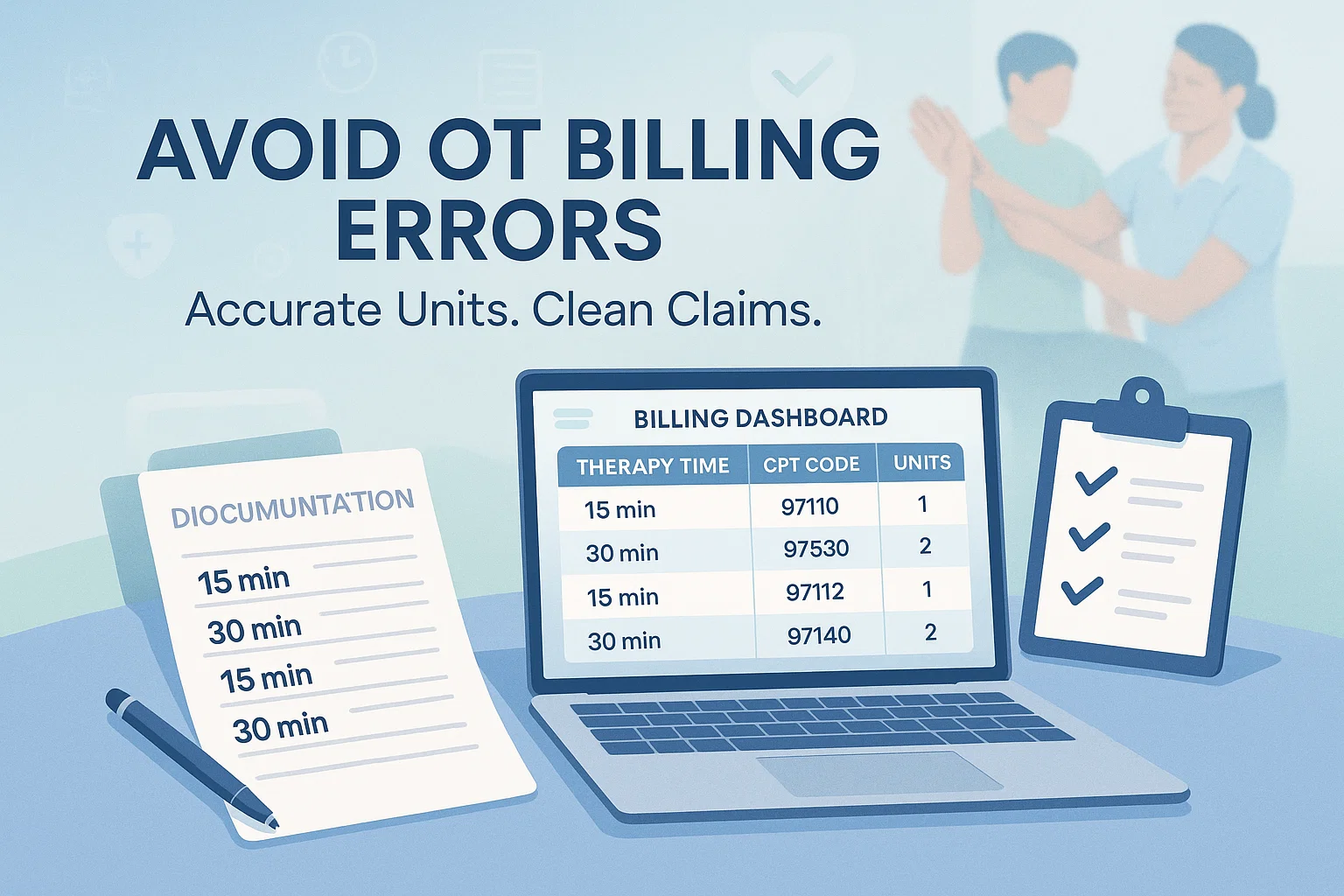
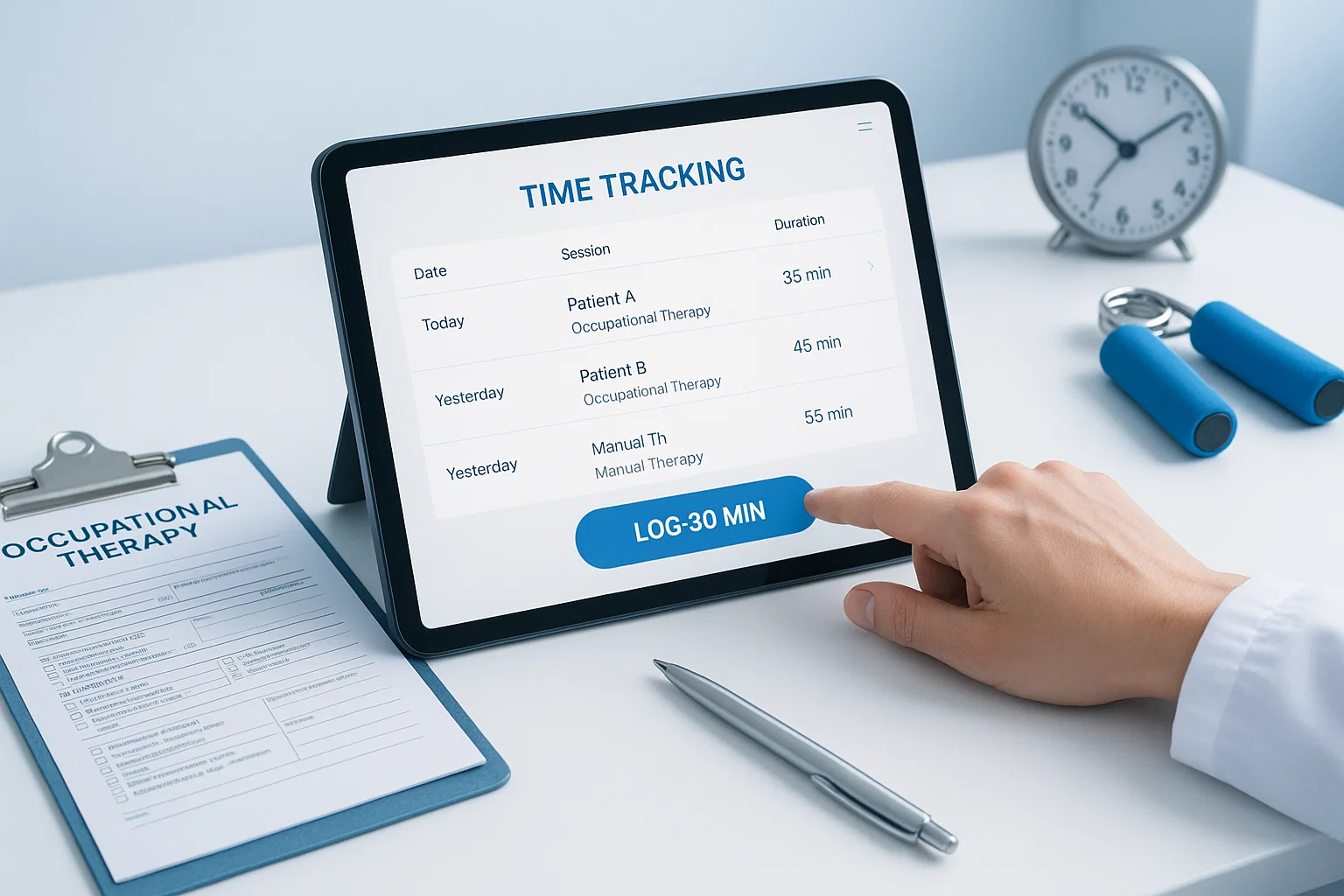
Therapists no longer need to manually add units after every session. The system can pull the details right from documentation. It can even reference OT Billing Units or PT units and ensure they’re being used correctly.
Auto-Generated Claim Forms
Instead of billers creating claims one by one, systems can prepare them instantly.
AI-Driven Error Detection
Artificial intelligence can check for missing codes, incorrect units, or policy conflicts before a claim is even sent.
Less Administrative Stress
The biggest win? You lighten the load on your staff. They get to spend less time fixing errors and more time helping patients.
2. Integration of EHR with Billing Systems
If you’ve ever used systems that don’t sync with each other, you know how frustrating it can be. Integration solves this problem.
- Documentation feeds directly into billing
- Codes flow automatically
- Reimbursements come faster
When clinical notes and billing are connected, you cut down on coding mistakes. You also reduce delays and confusion for everyone involved.
3. Real-Time Verification & Eligibility Checking
How many times has a patient walked in, only for you to later discover their insurance wasn’t active? That leads to awkward conversations and unpaid claims.
With real-time verification:
- Insurance checks run instantly
- Eligibility updates appear right away
- Patient responsibility is calculated upfront
This gives your clinic better cash flow and gives patients more clarity.
4. Value-Based Care and Outcome Tracking
The healthcare world is slowly moving away from fee-for-service and toward value-based care. In this model, outcomes matter more than the number of visits.
This shift affects billing in several ways:
- Better outcomes can lead to stronger reimbursements
- Predictive analytics help forecast costs
- Documentation becomes crucial in proving value
Clinics that track progress carefully will thrive in this environment.
5. Telehealth and Hybrid Care Billing
Telehealth exploded during the pandemic, and it’s here to stay. Many PT clinics now offer a mix of in-person and virtual care.
Billing for telehealth can be tricky because every payer handles it differently.
You’ll need to consider:
- Updated CPT codes
- Payer-specific telehealth rules
- HIPAA compliance during virtual sessions
The good news? Modern digital platforms make tracking and billing for remote care much easier.
IV. The Role of Artificial Intelligence and Machine Learning in PT Billing
AI isn’t just for big tech companies—it’s becoming a real game changer in the world of physical therapy billing.
1. Predictive Analytics
Imagine being able to predict which claims are likely to be denied before they’re even submitted.
AI uses past data to spot trends and warn your team early. It can:
- Forecast denials
- Highlight risky coding habits
- Suggest improvements in Physical therapy medical billing
This helps clinics stay ahead of potential problems.
2. Intelligent Claim Scrubbing
Claim scrubbing used to take forever. But AI can scan claims in seconds, checking for:
- Incorrect modifiers
- Missing units
- Code mismatches
- Policy conflicts
This reduces denials and speeds up payment cycles.
3. Automated Documentation Support
AI can even help therapists while documenting:
- Smart prompts appear during note-taking
- Auto-fill suggestions reduce typing
- Notes stay compliant and clear
This gives therapists more time with patients and less time behind a computer.
V. Revenue Cycle Management (RCM) Optimization Using Technology
A strong RCM system is the heart of a financially healthy clinic. Technology makes it even stronger.
Centralized Dashboards
Dashboards show everything happening in your billing system in one place:
- Reimbursements
- Denials
- Claims still pending
- KPIs
With a quick glance, you know exactly where the clinic stands.
Automated Reminders
If claims get stuck or delayed, automated alerts pop up instantly.
Real-Time Reporting
You can pull reports anytime, giving you:
- Monthly revenue
- Denial percentages
- Insurance trends
This helps leadership make better decisions.
Streamlined Appeals
Automation reduces the time spent writing appeals by identifying reasons for denial and preparing most of the details for you.
Read more on our Medium blog: The Digital Future of Physical Therapy Billing: Trends & Tech to Watch.
VI. Cloud-Based Billing Platforms
If you’ve ever lost data because of a computer crash, you know how important the cloud is.
Why Cloud-Based Systems Matter
Cloud platforms offer:
- Accessibility from anywhere
- Scalability for growing clinics
- Strong security
- Automatic backups
Many large practices—even those offering PT billing services—prefer cloud systems because they’re more flexible.
Better for Multi-Location Clinics
If you operate multiple clinics, cloud-based tools keep everything connected. Staff can access documents, billing reports, and notes from any location.
Security & HIPAA Compliance
These systems protect sensitive patient information through:
- Encryption
- Secure logins
- Regular updates
This makes it easier to stay compliant with HIPAA requirements.
VII. Compliance and Security in the Future of PT Billing
Billing compliance isn’t optional. It’s one of the pillars of a healthy clinic.
Because insurers and regulators keep updating their rules, Physical Therapy Billing and Compliance is becoming more important than ever.
Cybersecurity is Critical
Healthcare is a major target for cyber threats, so clinics must adopt strong digital protections.
Automation Helps with Compliance
Automated systems can:
- Stay updated with coding changes
- Flag missing documentation
- Store audit-ready records
- Track compliance trends
This reduces the risk of penalties and audits.
VIII. Common Challenges PT Clinics May Face During Transition
Shifting to new technology sounds great—but it’s not always smooth.
Resistance to Change
Some team members may prefer the old ways. It takes patience, training, and support to get everyone on board.
Training Requirements
New systems mean new workflows. Staff need time to learn and adapt.
Cost vs. Value
The upfront cost of automation tools can feel high. But the long-term benefits—especially when handling Outpatient physical therapy billing—usually outweigh the initial investment.
Legacy System Issues
Older systems may not sync well with modern platforms. Sometimes a full upgrade is the only way forward.
IX. How Clinics Can Prepare for the Future
If you want your clinic to adapt smoothly, start planning now.
1. Take Small Steps
You don’t need to change everything at once. Start with:
- Eligibility tools
- Automated reminders
- Billing dashboards
2. Choose the Right Software
Look for:
- Integration with EHR
- Real-time reporting
- Compliance tools
- Clear workflows
- Support for Outpatient physical therapy billing
3. Train Your Team Consistently
Regular training ensures your staff stays comfortable and confident. It also keeps errors low.
4. Build a Tech-Forward Mindset
Encourage your team to embrace technology. This creates a culture that adapts easily to new tools.
5. Work with Trusted Partners
Whether you use PT billing services or an in-house setup, choose partners who value transparency and accuracy.
X. Case Study: A Clinic That Embraced Automation
Let me share a quick story about a mid-sized clinic I worked with a few years ago. They struggled with frequent denials, manual charge entry, and slow reimbursements. Much of their work involved old systems that didn’t sync with their documentation platform.
After transitioning to an automated billing system, their entire workflow changed.
Before Automation
- Claim approval rate: 72%
- Average reimbursement time: 38 days
- Many errors caused by missing modifiers
- Staff spent hours each week fixing denials
After Automation
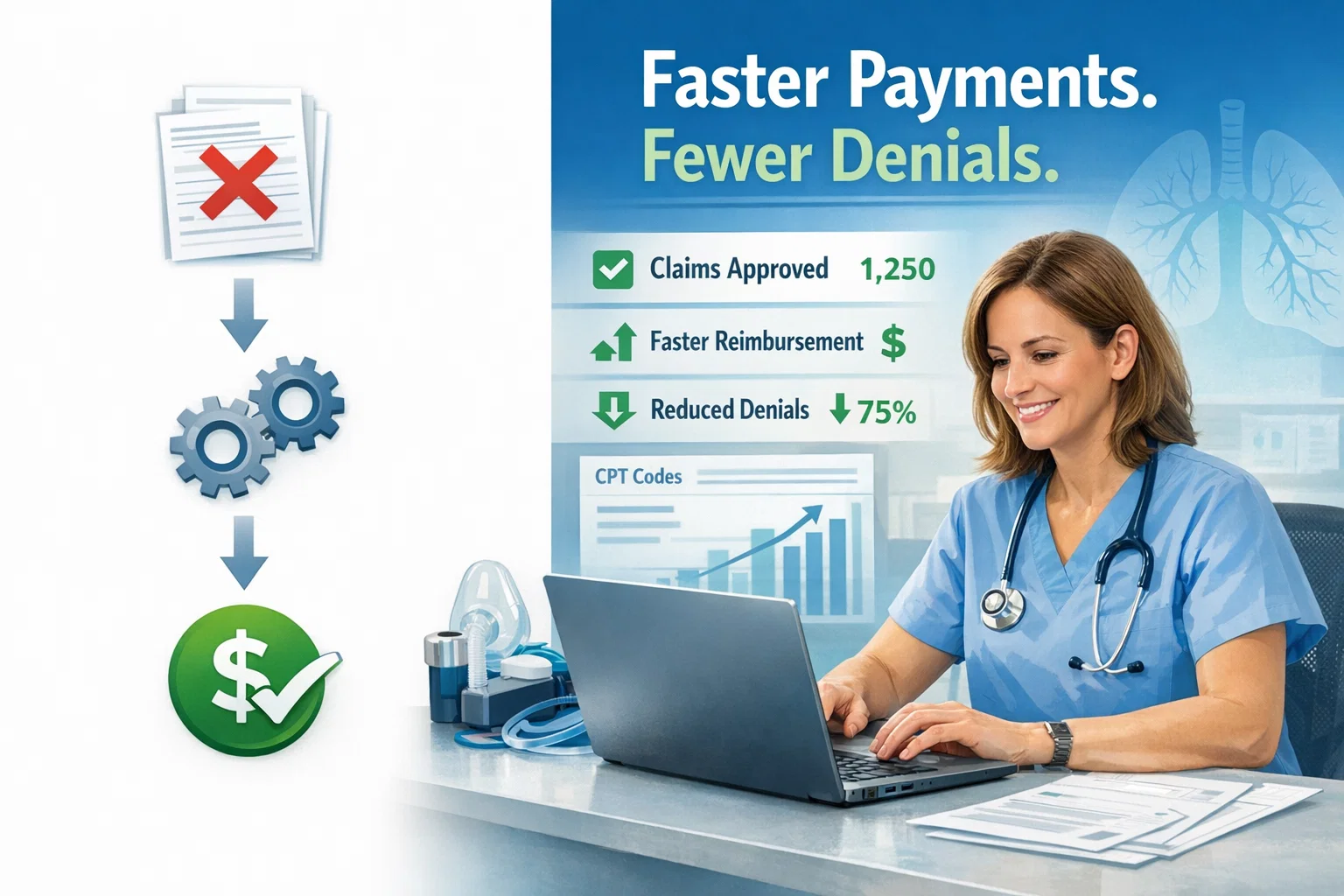
- Claim approval rate: 94%
- Reimbursement time dropped to 21 days
- Automatic alerts caught coding issues early
- Team stress levels dropped noticeably
One of the therapists told me, “I finally feel like I can focus on my patients again.”
And really, isn’t that the entire point?
The clinic also improved its integration of Physical therapy medical billing processes and made excellent use of Physical Therapy Billing Services for ongoing support.
Key Takeaways
- Automation saves time
- Fewer errors mean faster payments
- Staff morale increases
- Patients benefit from smoother operations
This example shows how powerful the right technology can be.
XI. Conclusion
The world of physical therapy billing is changing quickly. Digital tools and automation are opening the door to cleaner claims, faster payments, and easier workflows. From AI-driven claim scrubbing to cloud-based billing platforms, clinics now have more options than ever.
Whether you manage PT billing services, run your own clinic, or simply want to improve your billing workflow, embracing these trends will help you stay ahead. And as the industry moves forward, you’ll be better equipped to handle everything from telehealth billing to OT Billing Units and future compliance updates.