I. Introduction
Running a physical therapy clinic isn’t just about helping patients get back on their feet—it’s also about keeping your business healthy. Think about it: no matter how skilled your therapists are, if your billing process is slow or riddled with errors, your clinic’s revenue suffers.
Healthcare billing can feel like a maze. Multiple insurance plans, coding rules, and claim requirements make it easy to get lost. Even a small mistake can lead to claim denials, delayed payments, and frustrated staff.
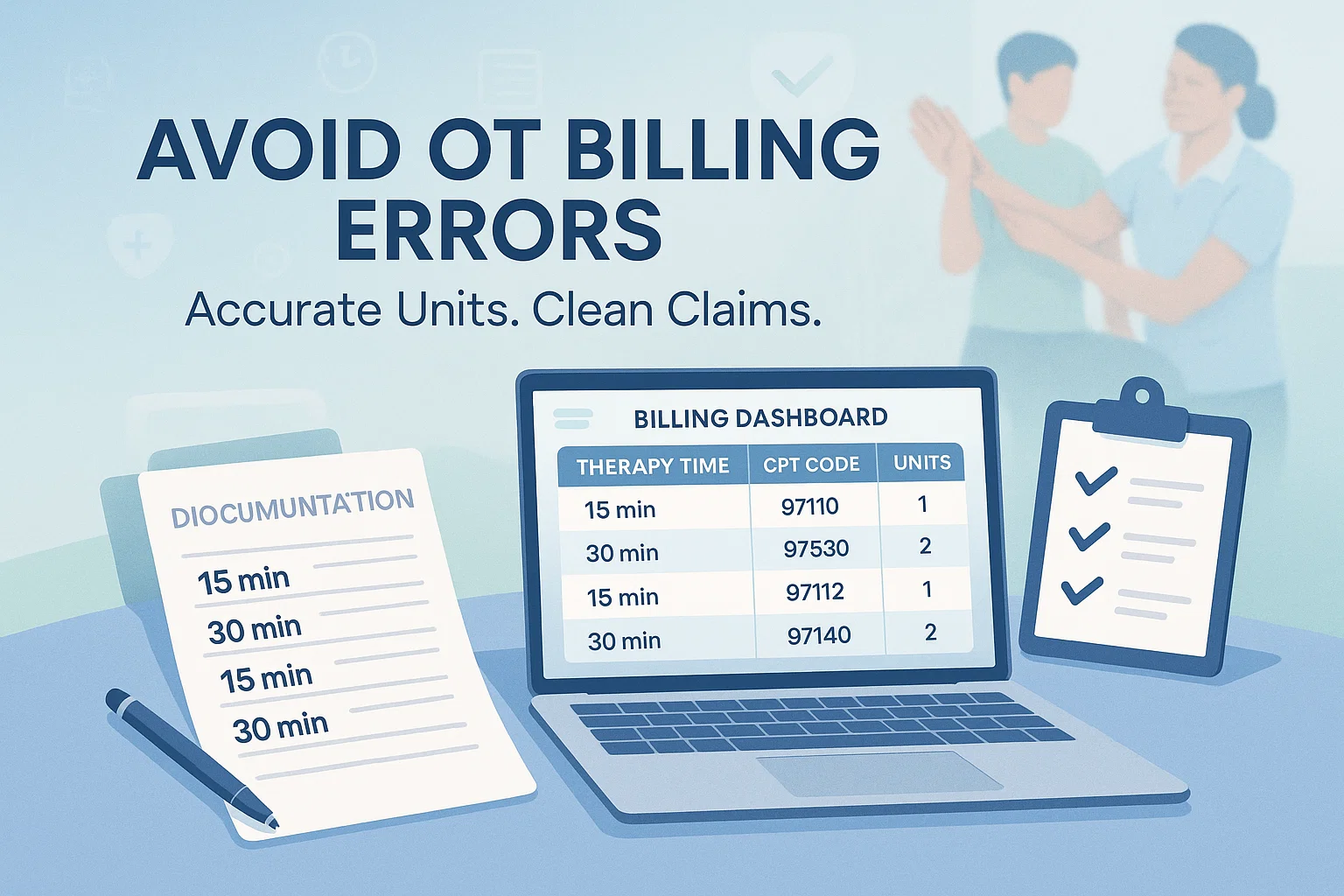
This is where physical therapy billing services come in. These specialized services help clinics handle billing efficiently, allowing therapists to focus on patient care while ensuring the clinic’s revenue flows smoothly. In this blog, we’ll dive into how these services play a vital role in Revenue Cycle Management (RCM) and why they are essential for any physical therapy practice, including insights on Corf Services and OT Billing Services.
II. Understanding Revenue Cycle Management (RCM)
What is RCM?
Revenue Cycle Management is the process of managing every financial step of a patient’s journey from scheduling an appointment to collecting payment. For a physical therapy clinic, RCM ensures that services are billed correctly and paid promptly.
Good RCM keeps money moving, prevents claim denials, and provides insights into financial health. Without it, clinics risk losing revenue and facing operational challenges.
Key Components of RCM
Let’s break it down:
- Patient Registration & Eligibility Verification
Before a patient even gets on the treatment table, the clinic needs to verify their insurance coverage. This step ensures that services will be paid for and avoids surprises later. - Coding & Documentation
Therapists and billing staff use CPT, ICD-10, and HCPCS codes to describe treatments. Accurate coding is crucial to avoid claim denials and delays. - Charge Capture
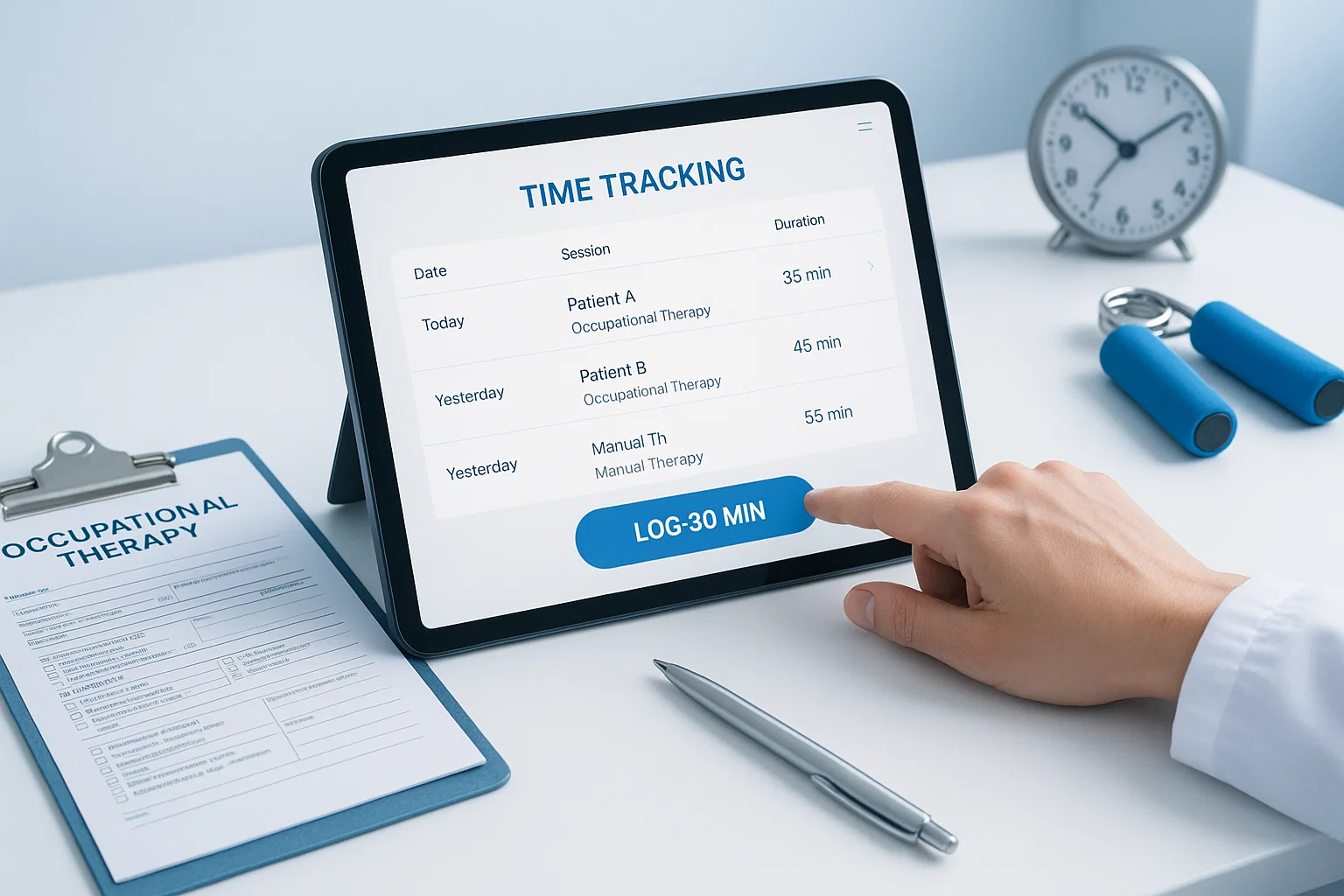
Every therapy session or service needs to be logged accurately. Missed charges mean lost revenue. - Claim Submission & Tracking
Once a claim is prepared, it’s sent to the insurer. Tracking ensures claims are processed and any issues are resolved promptly. - Payment Posting
Payments from insurance and patients are recorded. This keeps financial records accurate and helps with reporting. - Denial Management & Follow-Ups
If a claim is denied, the billing team investigates, corrects, and resubmits it. Timely follow-ups prevent revenue loss. - Reporting & Analytics
Reports help clinics understand their revenue streams, spot trends, and plan for the future.
Why RCM is Critical
Efficient RCM improves cash flow, reduces administrative burden, and allows therapists to focus on patient care. Without it, even a successful clinic can struggle financially.
III. Challenges in Physical Therapy Billing
Billing for physical therapy is not simple. Clinics face several hurdles:
Insurance Complexities
Different insurers have different rules. Coverage limits, prior authorizations, and plan updates make billing confusing. Keeping up manually is almost impossible.
Coding Errors
Physical therapy uses specific codes. Even a tiny mistake can lead to a denied claim. Misunderstanding bundling rules or misusing CPT codes is a common issue.
Claim Denials
Denials happen for many reasons: incomplete documentation, incorrect codes, or eligibility issues. Each denial costs time and money.
Time & Resource Constraints
Therapists want to focus on helping patients not paperwork. Many clinics don’t have enough staff to manage billing effectively.
Impact
All these challenges can cause delayed payments, revenue loss, and staff burnout. It can even hurt patient satisfaction if billing errors occur on statements.
IV. The Role of Physical Therapy Billing Services
What Are Physical Therapy Billing Services?
These services handle all aspects of billing for physical therapy clinics. Unlike general medical billing, they specialize in the nuances of PT codes, therapy documentation, and payer requirements.
They are experts in ensuring every dollar earned is collected efficiently. For clinics using Corf Services, these billing specialists can coordinate with insurers and ensure claims are accurate, speeding up reimbursement.
Core Responsibilities
- Insurance Verification & Eligibility Checks
Billing services verify coverage before treatment begins, preventing denied claims. This step saves time for both staff and patients. - Accurate Coding & Documentation
They ensure each service is coded correctly. This reduces errors and increases approval rates. - Claim Submission & Tracking
Claims are submitted on time, and billing staff monitor their status until payment is received. - Denial Management
Any rejected claims are reviewed and resubmitted. Efficient denial management prevents revenue leakage. - Patient Billing & Collections
Transparent statements and gentle follow-ups make it easier for patients to pay, improving overall cash flow. - Financial Reporting
Billing services provide detailed reports, helping clinic owners make informed financial decisions.
Specialized Knowledge
Physical therapy billing services know the rules for OT Billing Services, Corf Services, and therapy-specific codes. Their expertise ensures compliance with insurance regulations while maximizing reimbursements.
V. Benefits of Outsourcing PT Billing for RCM
1. Increased Revenue & Faster Reimbursements
Outsourcing to experts reduces coding errors and claim denials. Payments come faster, which improves cash flow.
Example: BBP Industries, a clinic we’ll discuss later, saw a 25% faster reimbursement rate after outsourcing PT billing.
2. Reduced Administrative Burden
Therapists and staff can focus on patient care instead of chasing insurance claims. This improves morale and reduces burnout.
3. Compliance Assurance
Billing specialists ensure your clinic follows federal and state regulations, avoiding costly penalties.
4. Improved Cash Flow Management
With timely payments and proper follow-ups, clinics can predict and manage their cash flow better.
5. Data-Driven Insights
Billing services provide reports and analytics. Clinics can use this data to make better staffing, treatment, and business decisions.
VI. Key Features to Look for in a PT Billing Service
- Expertise in PT-Specific Coding and Regulations
Make sure they understand CPT, ICD-10, and HCPCS codes, along with therapy-specific rules. - Advanced Billing Software and Automation
Automation reduces errors and speeds up the billing process. - Transparent Reporting and Analytics
You should see where your revenue comes from and track key metrics. - Proactive Denial Management Process
Choose a service that identifies and resolves denied claims quickly. - Strong Communication and Support
A good service keeps you informed and answers questions promptly.
VII. Real-Life Example: BBP Industries
Take BBP Industries, a mid-sized clinic offering both physical and occupational therapy. They faced frequent claim denials and slow reimbursements.
After partnering with a specialized physical therapy billing consulting service, they saw remarkable improvements:
- Claim denials dropped by 30%.
- Reimbursement times decreased by two weeks.
- Staff could focus more on patient care, leading to higher satisfaction rates.
BBP Industries also used OT Billing Services to manage occupational therapy claims efficiently. By combining PT and OT billing support, they ensured every service was accurately documented and reimbursed.
VIII. The Role of Corf Services
Corf Services (Comprehensive Outpatient Rehabilitation Facilities) play a special role in therapy care. Billing for these services can be complex due to bundled services and specific documentation requirements.
How CORF Services Help You Get Back on Your Feet
These services don’t just focus on treatment they also require careful financial management. A clinic offering Corf Services benefits from specialized billing, ensuring patients and insurers are billed correctly.
Accurate billing for CORF services helps clinics:
- Prevent denied claims
- Track multiple therapy sessions efficiently
- Focus on patient recovery instead of administrative headaches
Everything You Need to Know About CORF Services in 2025 includes understanding billing rules, documentation requirements, and insurance processes. Clinics that integrate PT billing services with CORF services can save time and maximize revenue.
IX. Combining Physical Therapy Billing Services with OT Billing Services
Many clinics offer both physical and occupational therapy. Using both physical therapy billing services and OT Billing Services ensures all claims are accurate.
This dual approach improves revenue cycle management, reduces errors, and provides a seamless experience for patients. For example, if a patient uses CORF Services, the billing team can handle all PT and OT claims efficiently, ensuring faster reimbursements.
X. Key Takeaways
- Efficient billing is just as important as excellent therapy.
- Specialized physical therapy billing services streamline the RCM process.
- Outsourcing reduces errors, improves cash flow, and frees up staff.
- Corf Services and OT Billing Services require specialized knowledge.
- Clinics like BBP Industries prove that investing in expert billing consulting pays off.
How CORF Services Help You Get Back on Your Feet isn’t just about treatment it’s about smooth financial operations that let patients focus on recovery while clinics thrive.
Everything You Need to Know About CORF Services in 2025 points to a future where specialized billing is central to clinic success.
XI. Conclusion
Managing revenue in a physical therapy clinic is challenging but critical. Physical therapy billing services, paired with physical therapy billing consulting and OT Billing Services, ensure every claim is accurate and every dollar earned is collected.
Clinics that embrace specialized billing, especially for Corf Services, can reduce errors, speed up payments, and provide better patient care.
If you’re running a clinic like BBP Industries or planning to expand services in 2025, it’s worth evaluating your billing process today. Investing in professional billing isn’t just smart it’s essential for long-term success.
XII. FAQs
- What is the difference between PT billing and general medical billing?
PT billing requires knowledge of therapy-specific codes, bundling rules, and insurer requirements. General medical billing doesn’t usually cover these details. - How much revenue do clinics lose due to billing errors?
Studies suggest clinics can lose up to 10–15% of potential revenue due to incorrect coding and denied claims. - Can PT billing services handle both insurance and self-pay patients?
Yes, most specialized billing services manage both insurance claims and patient payments, ensuring smooth revenue flow.