1. Introduction
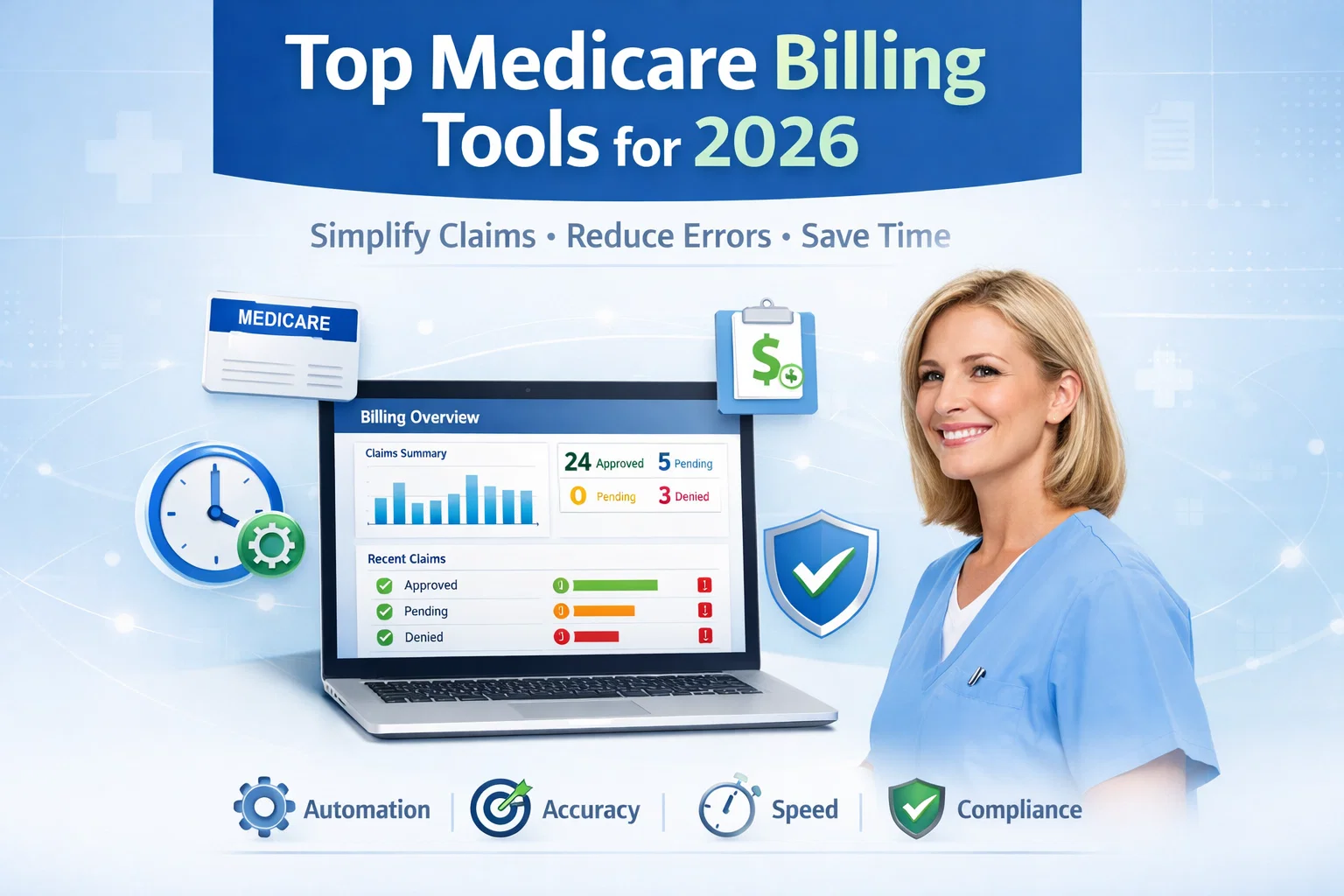
Medicare billing can be tricky, and by 2026, it’s only going to get more complicated. Between changing regulations, new coding requirements, and increased administrative demands, healthcare providers are under more pressure than ever. That’s why modern tools and software are essential. They simplify processes, reduce errors, and help ensure claims are processed efficiently.
In this blog, we’ll explore the top software and tools to simplify Medicare billing in 2026. We’ll also discuss solutions for Physical Therapy Billing Services, OT Billing Services, and Corf Services, showing how they can improve workflow, save time, and even boost revenue. By the end, you’ll have a clear understanding of what to look for and how to choose the right tools for your practice.
2. Why Medicare Billing is Challenging in 2026
Medicare billing has always been complex, but recent trends have made it even more challenging.
Frequent Regulatory Updates: CMS frequently updates rules, which can confuse billing staff. Even experienced coders can miss a change, leading to denied claims.
Complex Coding Requirements: ICD-10, CPT, and HCPCS codes are highly detailed. Each has unique rules and exceptions, and using the wrong code can delay or reject a claim.
Multiple Payers and Denials: Different insurance companies and Medicare intermediaries have varying rules. Tracking all of them and managing denials can be overwhelming.
Administrative Burden: Staff shortages and increased workload make it difficult to handle billing efficiently. Many practices rely on outdated systems or manual processes, which increase the risk of errors.
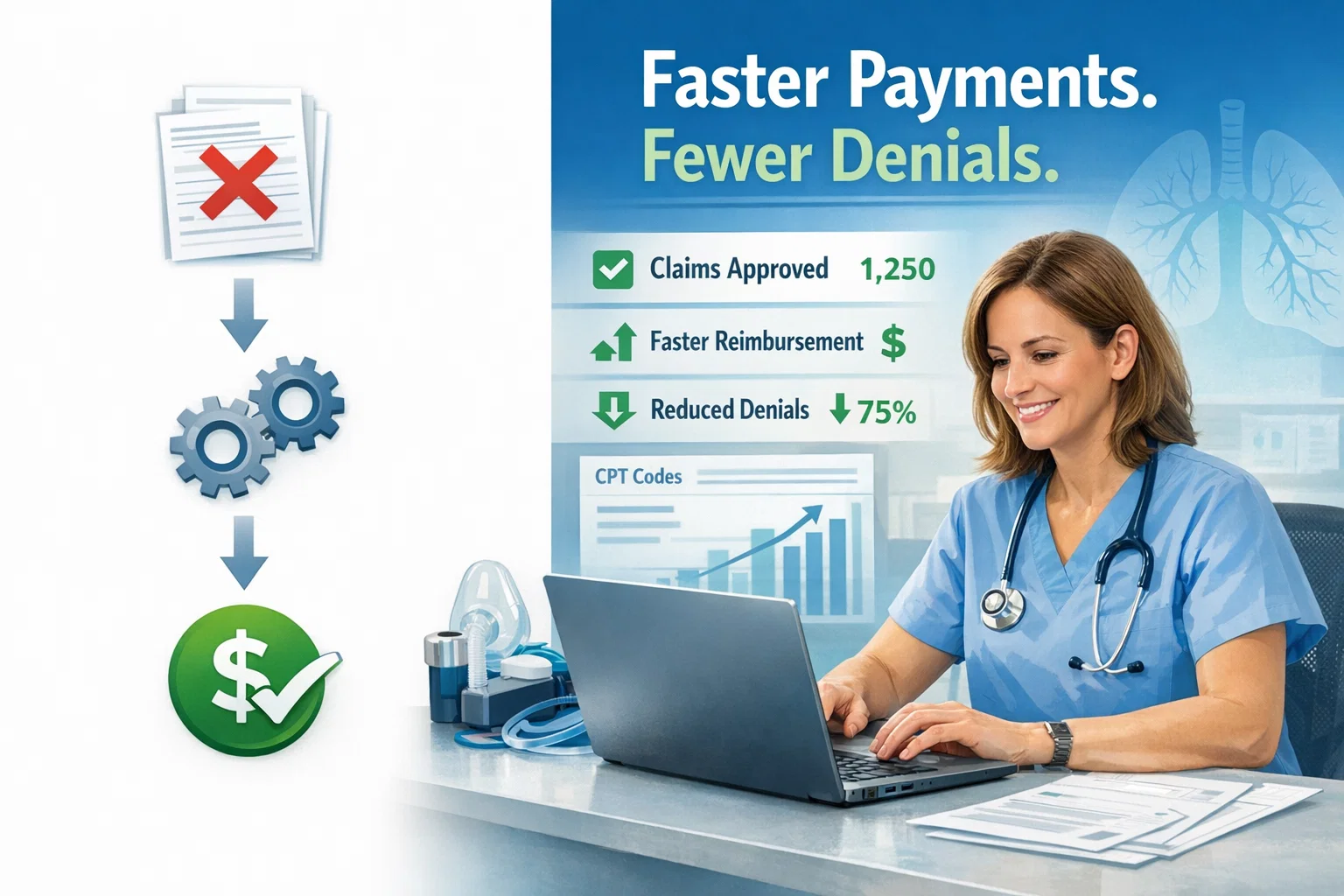
For example, a small PT clinic I know struggled with Medicare Reimbursement Rates for Therapy Billing in 2025. Their team spent hours manually checking claims and correcting errors. Once they implemented specialized billing software, their approval rate improved dramatically, saving both time and revenue.
3. What to Look for in Medicare Billing Tools
Choosing the right Medicare billing tool can feel daunting. Here’s what you should focus on to make an informed decision.
3.1 Essential Features
Real-Time Claim Validation: Identify errors before submitting claims to reduce denials.
Automated Eligibility Checks: Verify patient coverage quickly and efficiently.
Integrated Coding Assistance: Suggest the correct codes to minimize mistakes.
Remittance and ERA Processing: Track payments, reconcile accounts, and ensure nothing slips through the cracks.
3.2 Advanced Capabilities
AI-Based Denial Prediction: Advanced software can predict potential claim denials and suggest corrections before submission.
Analytics and Revenue Cycle Reporting: Gain insights into claim performance, cash flow, and overall practice revenue.
Workflow Automation: Reduce repetitive tasks like claim submission, follow-ups, and reporting.
Interoperability with EHR/EMR Systems: Seamless integration ensures clinical data and billing data work together, reducing errors.
3.3 Security & Compliance Requirements
HIPAA Compliance: Protect sensitive patient data.
Data Encryption: Keep your data secure during transmission and storage.
Audit Trails: Monitor all actions in the system to ensure accountability.
Role-Based Access: Limit staff access to sensitive information based on roles.
4. Categories of Medicare Billing Software
Medicare billing software comes in different forms. Each serves unique needs:
- Practice Management Systems (PMS): Handles scheduling, billing, and reporting in one platform.
- Cloud-Based Billing Platforms: Accessible anywhere, updates automatically, reduces IT costs.
- EHR with Billing Modules: Combines clinical documentation and billing for seamless workflow.
- Outsourced/BPO Billing Services: Experts handle billing, useful for practices lacking staff.
- Billing Automation Tools: Focused on streamlining repetitive tasks and reducing errors.
For OT Billing Services and Physical Therapy Billing Services, EHR platforms often work best because they integrate clinical notes directly with billing codes.
5. Top Tools & Software to Simplify Medicare Billing in 2026
Let’s look at some of the leading tools and software that can transform your billing process.
5.1 Advanced Practice Management Systems
Software A: Ideal for midsize practices. Offers user-friendly dashboards, real-time reporting, and integrated claims management.
Software B: Suited for large clinics with complex billing needs. Provides advanced analytics, multi-location support, and automated denial management.
Software C: Affordable for small practices. Covers basic PMS needs, integrates with EHR systems, and offers essential claim tracking.
When choosing a PMS, compare pricing, ease of use, features, and integration options.
5.2 Cloud-Based Billing and Claim Submission Platforms
Cloud Tool A: Provides real-time edits and eligibility checks to prevent denials.
Cloud Tool B: Automates batch claim processing for high-volume practices.
Cloud Tool C: Offers mobile access, allowing staff to manage claims remotely.
Cloud-based solutions are scalable, offer automatic updates, and reduce IT maintenance costs.
5.3 EHR Platforms with Built-In Medicare Billing
EHR System A: Seamlessly integrates clinical notes with billing, ideal for OT Billing Services.
EHR System B: Strong compliance support and automated coding suggestions.
EHR System C: Specialized for niche practices like Physical Therapy Billing Services and Corf Services.
Advantages include a single database for clinical and billing data, reducing errors and improving documentation accuracy.
5.4 Automated Denial Management & Analytics Tools
Denial Tool A: Uses predictive analytics to prevent claim rejections.
Denial Tool B: Automates resubmission workflows, saving staff time.
Denial Tool C: Provides dashboards and benchmarking for improved decision-making.
Automated denial management improves cash flow, reduces rework, and ensures quicker reimbursements.
5.5 Outsourced Billing Services & Managed RCM Platforms
Some practices choose outsourcing. Managed services handle the entire revenue cycle, from claim submission to payment posting.
BBP Industries, for example, offers reliable managed RCM solutions, especially useful for practices managing OT Billing Services or Corf Services. Outsourcing reduces administrative burden and allows staff to focus on patient care.
6. Expert Tips for Choosing the Right Medicare Billing Software
Here are some tips to pick the best tool for your practice:
- Assess Practice Size: Larger practices need robust solutions; smaller clinics can use simpler systems.
- Scalable Solutions: Choose software that grows with your practice.
- Support & Training: Check for reliable customer service and training resources.
- Budget Considerations: Decide between subscription models and one-time costs.
Always consider the specific needs of your practice, especially if you provide Physical Therapy Billing Services or Corf Services.
Also Read On Our Blog: How Outsourcing Medicare Billing Services Can Boost Your Revenue
7. Implementation Best Practices
Successful implementation ensures you get the full benefit of your software:
- Data Migration: Move your existing billing data carefully to avoid errors.
- Staff Training: Ensure your team understands the new system.
- Workflow Testing: Run test claims before going live.
- Ongoing Evaluation: Regularly assess performance and adjust processes.
8. Case Studies / Success Stories
Example #1: A small clinic switched to an EHR with integrated billing. Collections increased by 30%, and staff spent less time on manual claims.
Example #2: A multi-specialty clinic implemented automated denial management. Claim rejections dropped, and cash flow improved.
These stories show that investing in the right software delivers tangible results.
9. Future Trends in Medicare Billing (Beyond 2026)
The landscape of Medicare billing is evolving rapidly.
- AI and Machine Learning: Predict claim denials, optimize billing codes, and automate repetitive tasks.
- Predictive Analytics: Forecast revenue and plan resources effectively.
- Voice-Enabled Billing: Enter data hands-free, improving efficiency.
- Interoperability and APIs: Connect systems seamlessly for smooth workflows.
BBP Industries is already exploring these innovations, showing how The Future of Medicare Billing will make administrative tasks easier and more accurate.
10. Conclusion
Choosing the right Medicare billing tools in 2026 can dramatically improve efficiency, reduce errors, and increase revenue. Whether your practice handles Physical Therapy Billing Services, OT Billing Services, or Corf Services, there’s a solution that fits your needs.
Understanding Medicare Reimbursement Rates for Therapy Billing in 2025 helps you plan better and ensures you’re prepared for the future. By investing in the right tools and implementing best practices, you can focus more on patient care and less on administrative stress.
Take action today: explore demos, compare features, and find a system that aligns with your practice. BBP Industries and other modern solutions can help guide you to simpler, more efficient Medicare billing.